Attractions & Living Heritage
From imperial palaces to ethnic embroidery villages — explore the landscapes and living arts that make China unlike anywhere else on earth.

Living Arts & Traditions
What is Intangible Cultural Heritage?
Unlike monuments and artifacts, intangible cultural heritage (ICH) lives in people — in the knowledge, skills, practices, and traditions passed through generations. UNESCO-recognized ICH includes performing arts, social rituals, craftsmanship, and oral traditions. China holds the world's largest number of UNESCO ICH designations. These are not museum exhibits; they are living arts practiced by real communities. We work directly with inheritors and artisan communities to make authentic encounters possible.
Note: Heritage sites and ICH listings are for cultural discovery. Bookable experiences are available in our Experiences section.
Miao Silver Embroidery
For 2,000 years, Miao women have stitched the cosmos into silk — every motif a chapter of ancestral memory. Unlike purely decorative embroidery, Miao patterns are a writing system: mythological narratives, genealogies, and spiritual maps sewn into festival dress. Master Yang Aming still teaches in her Kaili village, her needle moving with the precision of a scholar-calligrapher.
Read Full Story → Book Workshop
Dunhuang Cave Murals
In 492 caves carved into sandstone cliffs at the edge of the Gobi Desert, 45,000 square meters of murals document Buddhist cosmology, Tang dynasty court life, and the polyglot culture of the ancient Silk Road. Artists from India, Central Asia, and China painted these walls across 10 dynasties — the greatest repository of ancient painting in existence.
Read Full Story → Silk Road Tour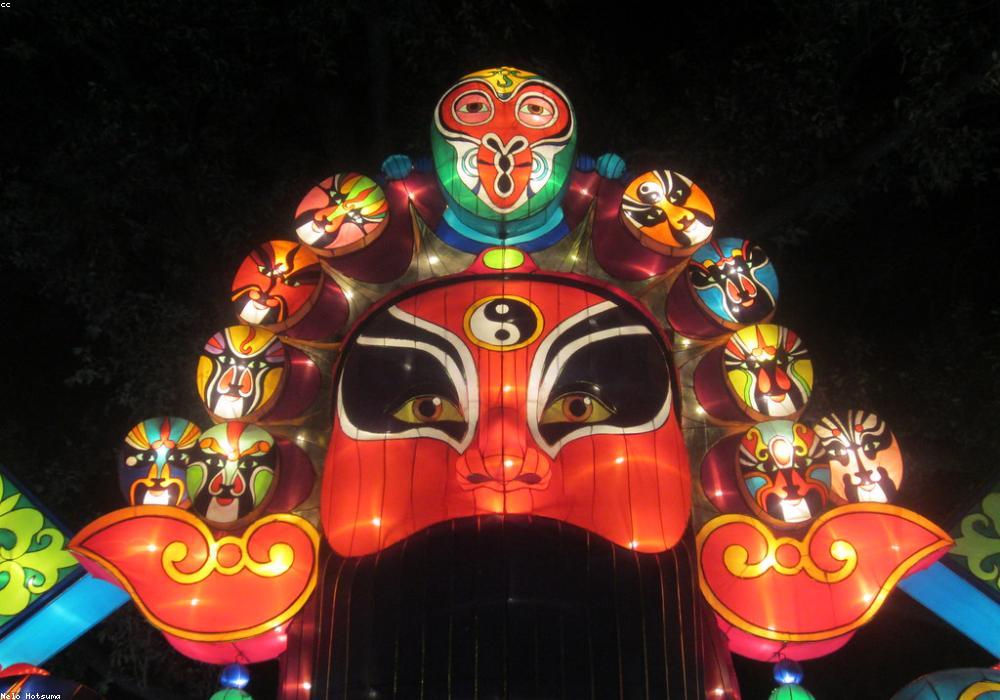
Sichuan Opera Face-Changing
Bianlian — the art of instantaneous mask transformation — has been passed within opera troupes as a jealously guarded secret for three centuries. In a fraction of a second, a performer's face changes from one character to another, using techniques that even now only partially revealed to outsiders. A performance is simultaneously a magic show, a philosophical statement, and an athletic feat.
Read Full Story → Book Performance
Suzhou Silk Embroidery
Suzhou embroidery (蘇繡, Sùxiù) uses silk thread so fine — sometimes split into 1/48th of a strand — that finished pieces can be mistaken for oil paintings. The craft peaked in the Song dynasty when empress consorts commissioned ten-foot panels depicting entire landscapes. Master workshops today produce both traditional imperial motifs and contemporary abstract works that collectors treat as fine art.
Read Full Story →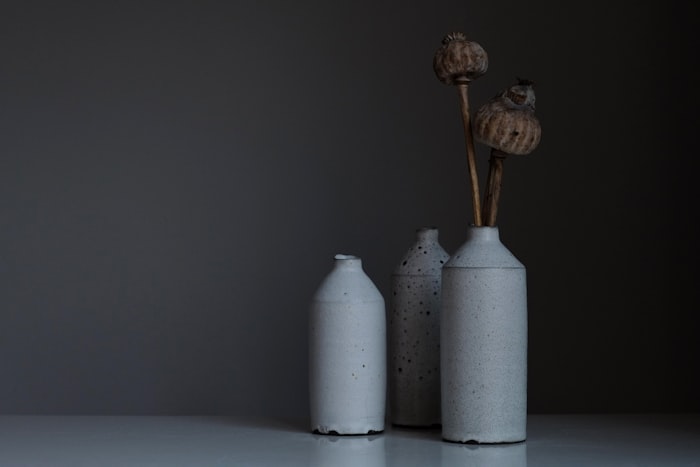
Jingdezhen Porcelain
For 1,700 years, Jingdezhen in Jiangxi province has been the capital of Chinese porcelain. The word "china" in English derives from this trade — fragile white vessels whose manufacture was China's most guarded state secret for centuries. Today, 300,000 people in the city are still involved in ceramics, from factory workers to young artists reinventing the tradition in contemporary studios.
Read Full Story → Book Workshop